Discover how an English tutor for preschoolers can support early language development through playful activities, engaging stories, simple conversations, and personalised online lessons.
Choosing an English tutor for preschoolers can help young children discover a new language in a way that feels enjoyable, natural, and meaningful.
At this age, children learn through curiosity, repetition, movement, stories, and everyday interactions rather than lengthy explanations or formal exercises.
For parents, the goal is not to make preschoolers speak perfect English overnight. Instead, the priority is to build familiarity with English sounds, introduce useful vocabulary, encourage listening, and create positive experiences that support future learning.
With the right teaching approach, English can become a playful part of a child’s daily routine. Short conversations, colourful pictures, songs, and imaginative games can gradually help children recognise words and feel comfortable using simple expressions.
An effective tutor understands that every child develops differently. Therefore, lessons should reflect the child’s interests, attention span, confidence, and current language ability while keeping learning enjoyable from the beginning.
What Is an English Tutor for Preschoolers?
An English tutor for preschoolers helps young children develop early English skills through age appropriate activities.
Rather than relying mainly on grammar explanations or written exercises, the tutor introduces language through listening, speaking, storytelling, songs, pictures, and guided play.
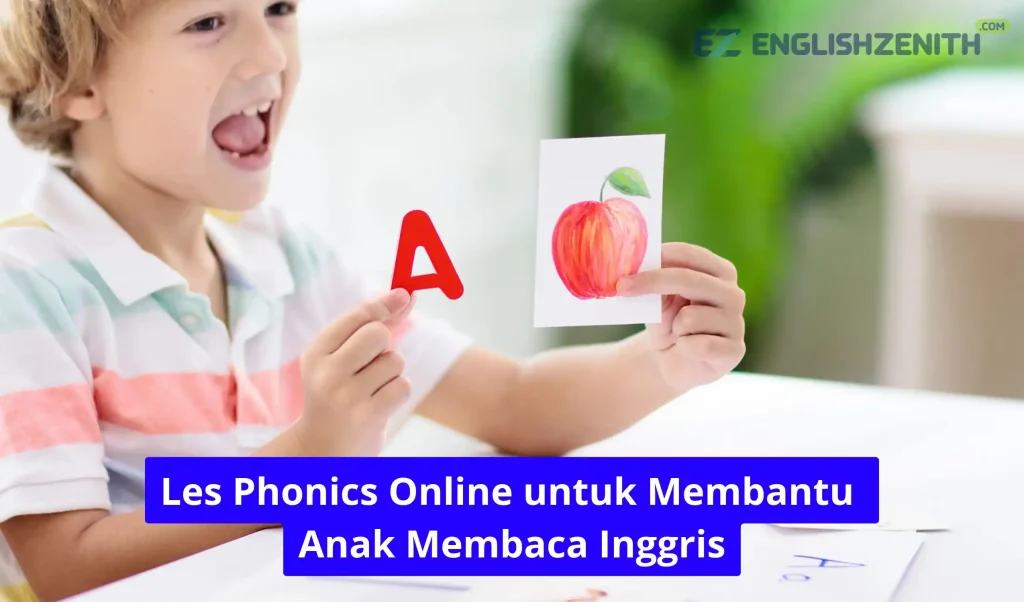
Preschool children often respond well when lessons connect with familiar experiences. For example, a tutor might introduce the words apple, banana, and orange while showing colourful pictures or playing a simple guessing game.
This approach gives children a meaningful reason to listen and participate. Consequently, they can begin connecting English words with objects, actions, people, and situations they already understand.
A qualified and attentive tutor also recognises that young learners need encouragement. Children should have opportunities to explore, make mistakes, repeat expressions, and gradually develop confidence without feeling pressured to perform.
Parents considering individual instruction can explore private English tutor online options to understand how personalised lessons may support different learning needs.
Why Early English Learning Can Benefit Preschool Children
Preschool represents an important period for exploration and communication. Children continually develop their ability to understand instructions, express preferences, describe experiences, and interact with people around them.
Introducing English during these years can create additional opportunities to hear unfamiliar sounds and become familiar with another language.
However, progress depends on many factors, including exposure, teaching quality, consistency, individual development, and the child’s interest.
Building Familiarity With English Sounds
Children need opportunities to hear English before they can comfortably reproduce its sounds. Songs, rhymes, stories, and short conversations expose them to pronunciation, rhythm, and intonation in engaging contexts.
For example, a tutor might sing a simple greeting song at the beginning of each lesson. Over time, a child may begin recognising familiar expressions and responding with a greeting of their own.
Developing Useful Everyday Vocabulary
Young learners benefit from words that relate directly to their surroundings. Common themes include colours, animals, family members, food, toys, numbers, and everyday actions.
Rather than presenting a long list of unfamiliar vocabulary, a tutor can introduce a few words through pictures and interactive activities. The child can then practise recognising those words in different situations.
Encouraging Communication and Confidence
A supportive learning environment allows children to experiment with language without worrying excessively about mistakes. For instance, a child might initially answer a question with a single word before gradually attempting a short phrase.
The tutor can acknowledge the response and model a slightly longer expression. If the child says “cat,” the tutor might respond with “Yes, a small cat” or “I see a cat.”
This gentle approach encourages participation while showing children how they can expand their language naturally.
How Play Based English Lessons Help Young Learners
Play is more than entertainment for preschool children. It creates opportunities to explore ideas, follow instructions, solve simple problems, and communicate with others.
An English tutor for preschoolers can use play based learning to introduce language without making every activity feel like a formal lesson. The tutor still has clear learning objectives, but the activities suit the child’s age and interests.
Learning English Through Games
Simple games encourage children to listen carefully and respond to instructions. A colour hunt, for example, can help a child connect vocabulary with objects around the room.
The tutor might say, “Find something blue” or “Show me a red toy.” The child can respond by pointing, moving, or naming the object, depending on their current ability.
As the child becomes more familiar with the vocabulary, the tutor can introduce additional colours or slightly more complex instructions. This creates a natural progression without making the activity unnecessarily difficult.
Using Songs and Movement
Songs combine repetition, rhythm, movement, and memorable language patterns. They can help children practise greetings, numbers, body parts, and simple action words while staying actively involved.
For example, a song about actions might encourage a child to clap, jump, turn around, or touch their head. The tutor can demonstrate each movement and invite the child to follow along.
Movement also provides an alternative for children who find it difficult to remain seated for extended periods. As a result, lessons can accommodate different energy levels and learning preferences.
Exploring English Through Storytelling
Picture books and simple stories introduce vocabulary within a meaningful context. Children can follow characters, recognise familiar objects, predict what happens next, and connect words with illustrations.
A tutor might pause during a story to ask, “Where is the dog?” or “What colour is the ball?” These questions encourage active listening without requiring advanced speaking skills.
Furthermore, children can retell parts of a familiar story using pictures or gestures. Even a short response can become a valuable opportunity to practise understanding and communication.
What Children Can Learn With an English Tutor
A preschool English programme should develop several early language skills together. Listening, speaking, vocabulary, pronunciation, and comprehension support one another, so lessons benefit from a balanced approach.
Listening and Understanding Simple Instructions
Listening activities help children recognise familiar words and understand basic directions. A tutor may begin with instructions such as “Sit down,” “Stand up,” “Open the book,” or “Point to the door.”
Initially, children can respond through movement rather than speech. Later, the tutor can encourage them to repeat selected expressions or use similar instructions during games.
This gradual process gives children time to understand the language before expecting them to produce it independently.
Speaking With Simple Words and Phrases
Speaking activities should reflect each child’s current ability. Some children may start with single words, while others may already use short phrases or answer simple questions.
A tutor can introduce useful expressions such as “My name is…,” “I like apples,” and “Can I have it?” These phrases help children communicate simple ideas in familiar situations.
Rather than demanding immediate accuracy, the tutor can model correct expressions and provide opportunities to try again. Gradually, children may become more comfortable using familiar language without constant prompting.
Improving Pronunciation Naturally
Preschoolers benefit from hearing clear examples of English pronunciation. A tutor can model individual words, repeat short phrases, and use songs or picture games to make sound practice engaging.
For example, a child learning animal vocabulary might practise saying cat, dog, and fish. The tutor can repeat the words clearly and encourage the child to listen for differences between their sounds.
The objective is to build familiarity and intelligibility over time, not to expect a young learner to develop a perfect accent immediately.
Developing Early Language Comprehension
Comprehension involves understanding meaning rather than simply repeating sounds. Children can demonstrate understanding by choosing the correct picture, following an instruction, identifying an object, or responding appropriately to a question.
For instance, a tutor might show pictures of a bird, a fish, and a rabbit before asking, “Which animal can swim?” The child can point to the fish even if they cannot yet explain the answer in English.
These activities help the tutor assess understanding while keeping participation accessible and enjoyable.
How to Choose the Right English Tutor for Preschoolers
Choosing a tutor requires more than checking whether someone teaches English online. Parents should consider the tutor’s teaching approach, communication style, ability to engage young children, and willingness to adapt lessons to individual needs.
Look for Age Appropriate Teaching Methods
Preschoolers need a different learning experience from teenagers or adults. A tutor should understand how to use stories, games, songs, visual materials, and simple instructions to maintain interest.
Long explanations and repetitive worksheets may not suit every young learner. Instead, a well planned lesson should combine several activities while maintaining a clear purpose.
Parents can ask how the tutor introduces new vocabulary, encourages participation, and responds when a child loses interest. Clear answers can help them understand whether the teaching approach suits their family.
Consider Personalised Attention
Children differ in their interests, confidence, vocabulary, and ability to follow instructions. One child may enjoy singing, while another may prefer animals, drawing, puzzles, or imaginative play.
Personalised lessons allow a tutor to use these interests as starting points. Consequently, the child may find it easier to participate because the activities feel familiar and engaging.
Families interested in individual learning can also explore one on one English lessons online to learn more about focused instruction and personal learning goals.
Prioritise Patience and Clear Communication
A good preschool tutor listens carefully, speaks clearly, and gives children enough time to respond. They also understand that silence does not necessarily mean a child has failed to understand an activity.
Sometimes, children need additional examples or a visual clue before they feel ready to answer. A patient tutor can adjust the activity instead of repeatedly asking the same question.
Parents should also feel comfortable discussing their child’s interests, challenges, and progress. Open communication helps everyone support a consistent learning experience.
Is an Online English Tutor Suitable for Preschoolers?
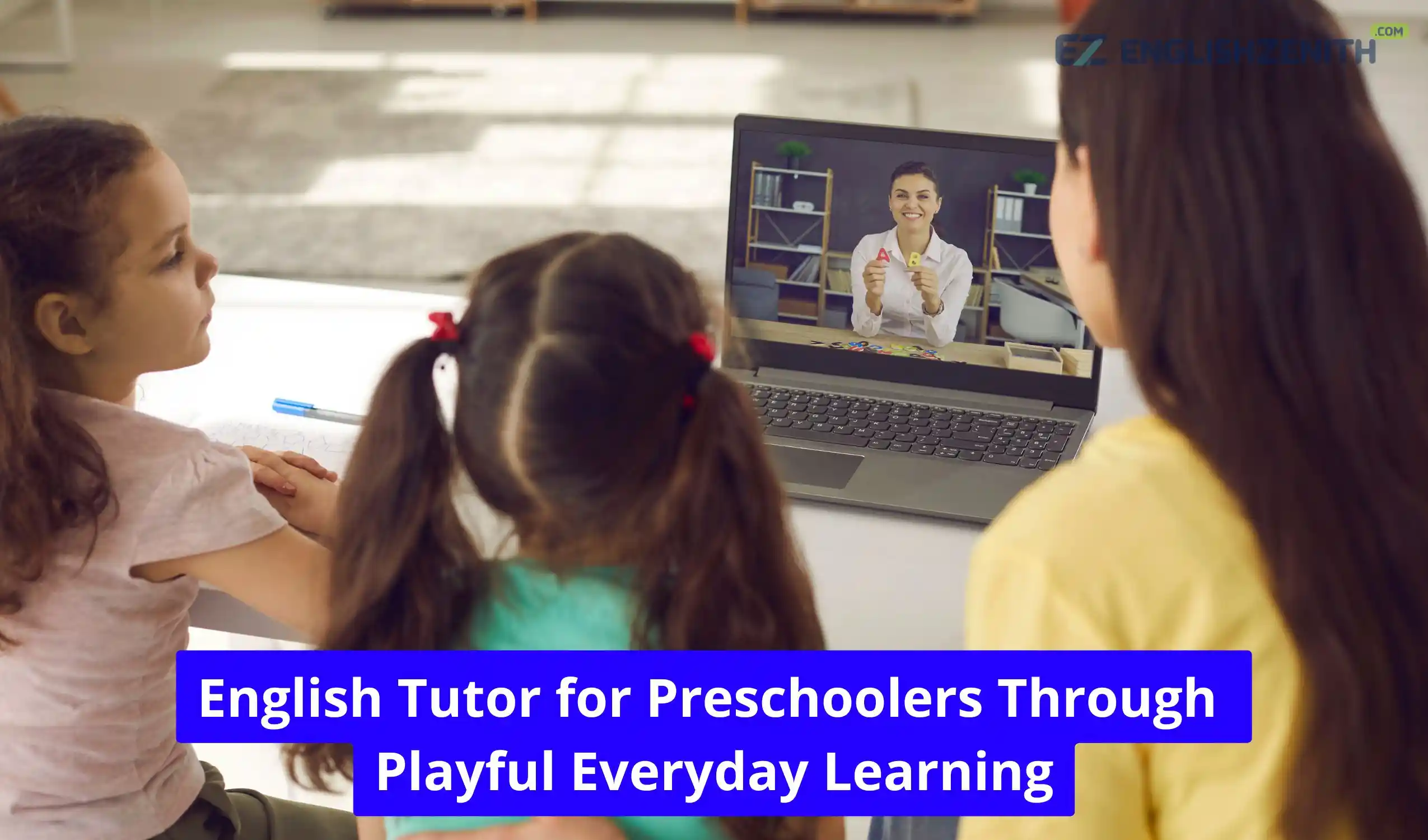
Online English lessons can work well for preschool children when tutors design activities specifically for young learners. A video call alone does not guarantee engagement, so lesson structure, interaction, and parental support remain important.
An effective online session may include picture cards, interactive stories, movement games, songs, drawing activities, and short speaking exercises. The tutor should give the child frequent opportunities to participate instead of talking throughout the session.
The home environment can also offer useful learning materials. Favourite toys, picture books, household objects, and familiar surroundings can become part of the lesson.
Parents should consider their child’s comfort with screens and ability to participate in guided activities. Some children engage easily online, while others need shorter sessions, more movement, or additional support from an adult nearby.
Families seeking flexible instruction can explore an online English tutor to understand how digital lessons may fit their child’s routine.
How Long Should Preschool English Lessons Last?
The ideal lesson length depends on the child’s age, attention span, temperament, and familiarity with online learning. There is no single duration that works equally well for every preschooler.
Short, varied activities can help maintain interest. For example, a tutor might begin with a greeting song, introduce a few new words through pictures, play a movement game, and finish with a short story.
If a child becomes restless, the tutor may need to change activities or offer a brief break. Flexible teaching helps preserve the child’s interest while maintaining the learning objective.
Parents should focus on engagement and consistency rather than measuring success by the number of minutes spent studying. A positive experience can make it easier for children to return to English activities regularly.
How Parents Can Support English Learning at Home
Parents do not need to speak fluent English to support their child’s learning. Small, consistent opportunities to hear and use familiar expressions can complement lessons and help children connect new vocabulary with everyday life.
Introduce English Into Daily Routines
Simple phrases can become part of familiar activities. Parents might say “Good morning,” “Wash your hands,” “Put on your shoes,” or “Time to eat” when the situation naturally calls for them.
Repeated exposure helps children recognise the connection between words and actions. Over time, they may begin responding to familiar expressions or using a few words independently.
Read Picture Books Together
Picture books create opportunities to talk about animals, colours, people, and everyday objects. Parents can point to illustrations, name familiar items, and invite children to find particular pictures.
There is no need to translate every sentence or turn reading time into a test. Instead, keep the interaction relaxed and follow the child’s curiosity.
Celebrate Small Achievements
Children may show progress by recognising a word, following an instruction, singing part of a song, or attempting a new phrase. These small steps deserve encouragement because they reflect growing familiarity with the language.
Parents can acknowledge effort without demanding perfect pronunciation. Positive feedback helps children associate English with exploration and communication rather than pressure.
For families who want more structured guidance, personalised English lessons online offer another way to explore learning that reflects individual needs.
Common Mistakes to Avoid When Teaching Preschool English
Even enthusiastic parents can unintentionally make early language learning feel difficult. Understanding common mistakes can help families create a more supportive experience.
One mistake is expecting children to memorise too many words at once. A smaller selection of useful vocabulary, repeated through different activities, often provides a more manageable starting point.
Another mistake is correcting every pronunciation error immediately. Constant interruption can discourage children from trying to speak, especially when they are still developing confidence.
Instead, adults can model the correct expression naturally and allow children to hear it again. For example, if a child says “Two dog,” the tutor might respond, “Yes, two dogs,” and continue the conversation.
Parents should also avoid comparing one child’s progress with another child’s performance. Children develop language skills at different rates, so meaningful progress should reflect individual starting points and learning needs.
Finally, irregular exposure can make it harder to build familiarity. A realistic routine that combines lessons with brief everyday activities can help children encounter English more consistently.
How to Recognise Progress in Preschool English Learning
Progress does not always mean speaking in complete sentences. Young children may demonstrate growing ability through several small changes in how they listen, respond, and interact with English.
A child who once needed gestures to understand an instruction may eventually respond to the same instruction through listening alone. Another child may begin identifying familiar objects or answering simple questions without assistance.
Parents might also notice that their child starts using English words during play or singing familiar songs independently. These moments suggest that the language is becoming more familiar beyond the lesson itself.
Tutors can help families recognise these developments by sharing observations and identifying suitable next steps. Clear communication makes it easier to understand which skills need more practice and which activities keep the child engaged.
For broader guidance on individual learning formats, parents can explore private online English lessons and consider how personalised instruction might support their child’s development.
Frequently Asked Questions About English Tutors for Preschoolers
At What Age Can Children Start Learning English?
Children can encounter English during the preschool years, although readiness varies from one child to another. Parents should consider the child’s interests, communication development, and ability to engage with simple activities rather than relying on age alone.
What Does an English Tutor Teach Preschoolers?
A tutor may introduce everyday vocabulary, simple greetings, listening comprehension, basic instructions, pronunciation, and short expressions. Lessons often use songs, stories, pictures, games, and conversation to make these skills accessible.
Can Preschoolers Learn English Online?
Yes, many preschoolers can participate in online English lessons when activities suit their age and attention span. Interactive materials, frequent participation, movement, and appropriate parental support can make the experience more engaging.
How Often Should Preschool Children Study English?
The most suitable schedule depends on the child, family routine, and lesson format. Regular opportunities to practise are generally more useful than an unrealistic schedule that becomes difficult to maintain.
Should Parents Correct Every English Mistake?
No. Children need encouragement and clear examples more than constant correction. Adults can model a natural expression, repeat useful vocabulary, and offer gentle guidance without interrupting every attempt to communicate.
How Can Parents Tell Whether Their Child Is Improving?
Look for changes in understanding, participation, vocabulary recognition, responses to familiar instructions, and willingness to try new expressions.
Progress may appear gradually, so parents should consider several signs rather than expecting immediate fluency.
What Should Parents Look for in a Preschool English Tutor?
Look for a tutor who communicates clearly, uses age appropriate activities, adapts lessons to the child, and creates a supportive learning environment.
It also helps to choose someone who welcomes parental feedback and explains learning progress in practical terms.
Help Your Child Discover English With Confidence
Early English learning should give children opportunities to explore, communicate, and enjoy discovering new words.
With patient guidance and playful activities, an English tutor for preschoolers can help make language learning a positive part of childhood.
Every child has different interests and learning needs. Therefore, the most useful programme is one that respects the child’s pace, encourages participation, and builds familiarity through consistent, meaningful experiences.
If you would like to explore personalised English learning for your child, contact English Zenith to discuss suitable lesson options.
Discover an approach that makes English feel approachable, engaging, and relevant to your child’s early learning journey.
Related Articles
One on One English Lessons Online
Personalised English Lessons Online