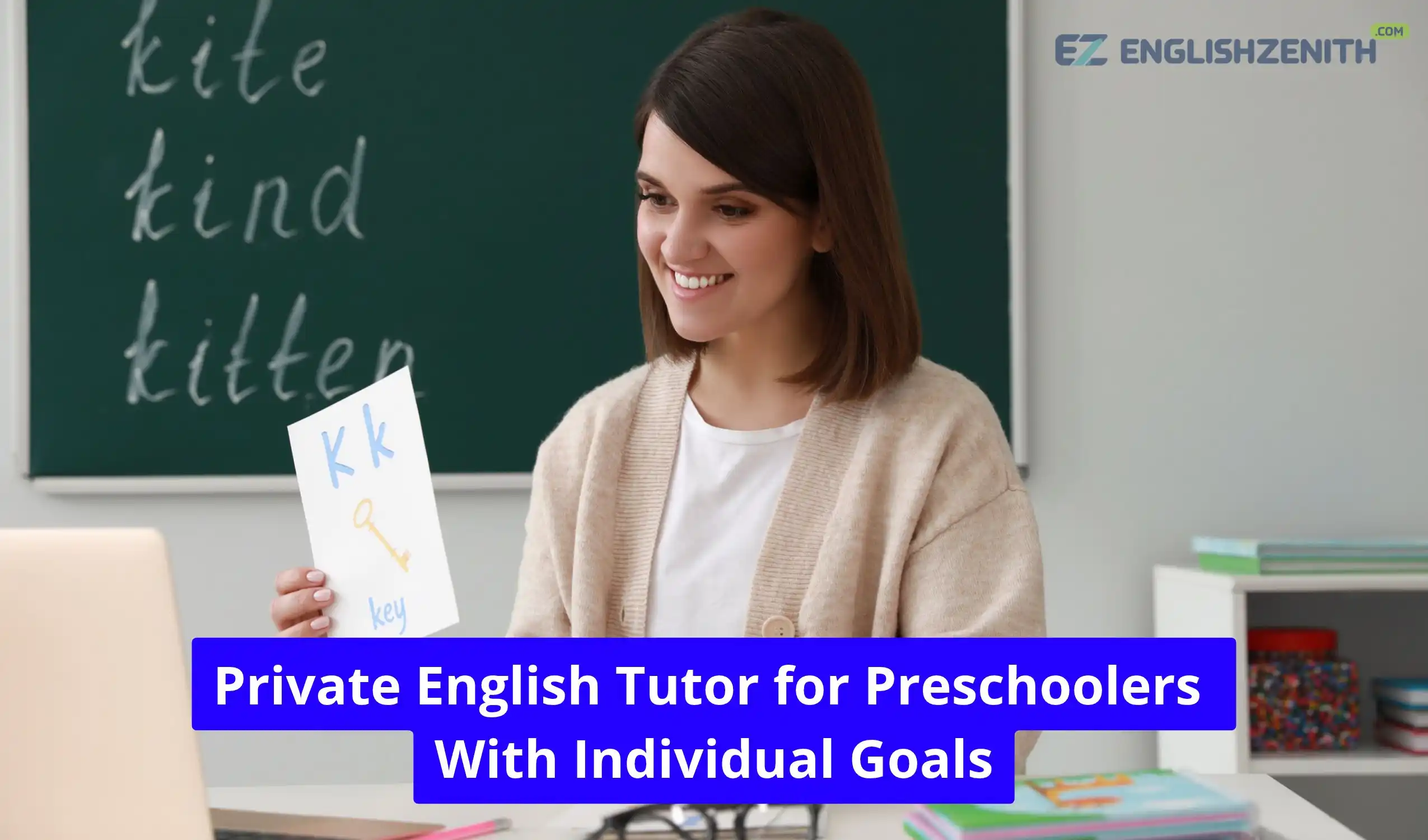
Private English tutor for preschoolers helps families explore individual learning goals, suitable teaching approaches, and practical ways to support early English development.
What Does a Private English Tutor for Preschoolers Offer
A private English tutor for preschoolers provides individual guidance that reflects a young child’s interests, current abilities, and learning needs. Instead of following one fixed approach for every learner, the tutor can adjust activities and learning goals according to how the child responds.
For parents, this arrangement offers an opportunity to focus on the skills that matter most to their child. One preschooler may need more exposure to everyday English vocabulary, while another may benefit from listening practice, simple conversations, or clearer pronunciation models.
Individual tutoring also gives the tutor more opportunities to observe the child’s responses. These observations can help identify familiar skills, areas that need further practice, and activities that encourage participation.
However, private tutoring is not simply about giving a child more exercises. A suitable tutor combines clear learning goals with an age appropriate approach that respects the child’s attention span, interests, and developmental stage.
Why Individual English Learning Goals Matter
Preschoolers do not all begin learning English with the same experiences. Some children hear English through songs, books, or family conversations, while others encounter the language for the first time in a learning environment.
As a result, a single learning plan may not suit every child equally well. Individual goals help parents and tutors decide what to prioritise instead of trying to cover too many skills at once.
For example, a child who already recognises common animal names might benefit from practising short descriptions. Meanwhile, a beginner may need more opportunities to connect familiar objects with English words.
Clear goals also help families understand what a tutor is working towards. Rather than expecting immediate fluency, parents can look for realistic progress in recognition, understanding, participation, and communication.
The most useful goals remain flexible. As the child develops new skills or shows interest in different topics, the tutor can adjust the learning plan to keep lessons relevant.
How a Tutor Can Identify Your Child’s Learning Needs
Before developing a learning plan, a tutor needs to understand the child’s starting point. This process does not require a formal examination or a long list of questions.
Instead, the tutor can observe how the child responds to simple instructions, familiar pictures, everyday vocabulary, and short interactions. These activities provide practical information about the child’s current English experience.
Parents can contribute by explaining what their child already enjoys. A child who loves animals may engage readily with animal pictures, while another who enjoys building blocks may respond well to activities involving colours, shapes, and numbers.
It is also helpful to discuss previous exposure to English. Parents can mention whether the child watches English cartoons, listens to songs, reads picture books, or uses English expressions at home.
This information allows the tutor to choose a suitable starting point. The goal is to build on existing knowledge while introducing new language at a manageable pace.
Families exploring individual learning formats can review personalised English lessons online to understand how lessons may reflect a learner’s particular needs.
Building a Practical English Learning Plan
A useful learning plan connects clear goals with activities that make sense for the child’s age and interests. It should provide enough structure to support progress without making every session feel predictable or demanding.
Start With Familiar English Vocabulary
Familiar vocabulary offers a practical starting point because children can connect words with objects and experiences they already recognise. Common topics include toys, food, animals, family members, colours, and everyday routines.
A tutor might begin by introducing a few words through pictures or physical objects. The child can listen, point, choose an item, or attempt to say the word.
Once the child recognises the vocabulary, the tutor can introduce simple combinations. For instance, a child who knows the word ball might explore expressions such as big ball or red ball.
This gradual approach helps the child connect familiar words with new information. It also gives the tutor opportunities to observe whether the child recognises meaning or needs further examples.
Introduce Listening and Understanding Goals
Listening plays an important role in early language development. Children need opportunities to hear English expressions and connect them with actions, objects, and familiar situations.
A tutor can introduce simple instructions such as “Show me the book” or “Put the car here.” Gestures and demonstrations can help the child understand what the words mean.
As familiarity develops, the tutor may introduce slightly different instructions. The child can practise following directions without needing to answer every question verbally.
Parents should understand that listening progress may appear before confident speaking. A child who follows familiar instructions demonstrates useful understanding, even if they do not yet use the same expressions independently.
Encourage Early Communication Naturally
Communication goals should reflect the child’s readiness. Some preschoolers enjoy repeating new words, while others prefer to observe before trying to speak.
A tutor can create opportunities for communication through picture choices, pretend play, songs, and simple exchanges. For example, the tutor might model “I want the blue one” while allowing the child to select a picture.
The child can initially respond with a gesture or a single word. Later, the tutor can model a longer expression when it fits naturally into the activity.
This approach encourages development without turning every interaction into a speaking test. It also helps the tutor recognise the difference between a child who needs more time and one who needs a different learning activity.
Choosing a Teaching Approach That Fits Your Child
The effectiveness of individual tutoring depends partly on how the tutor delivers each lesson. Preschoolers often respond better when the tutor combines clear instructions with opportunities to explore, move, listen, and communicate.
Parents should ask how the tutor adapts activities when the child becomes distracted or finds a task difficult. A thoughtful approach includes changing the activity when necessary while maintaining the overall learning goal.
Look for Flexible Lesson Activities
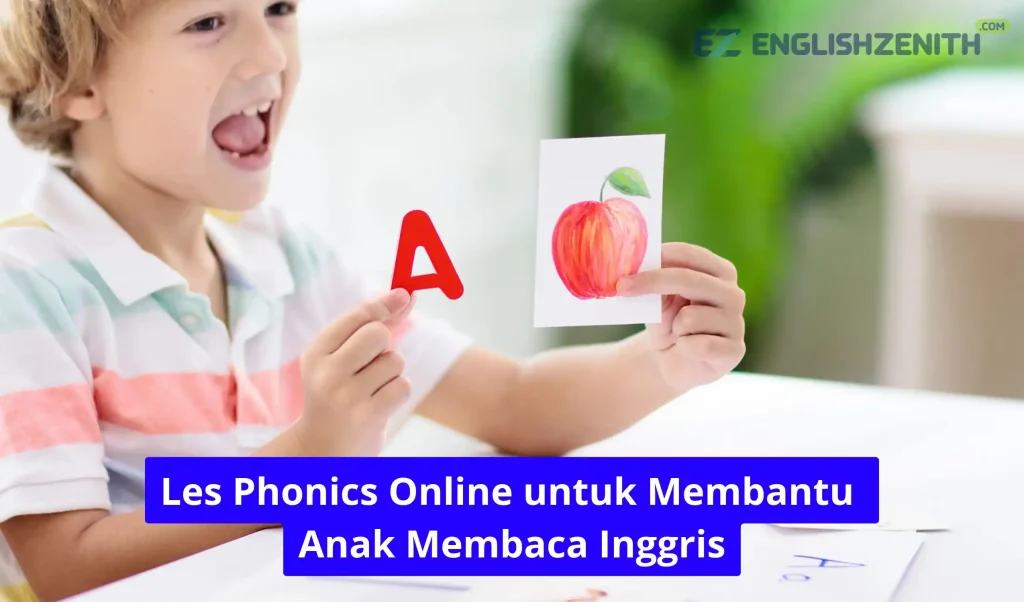
A tutor may use picture cards, stories, simple games, drawing, or everyday objects to introduce English. These materials can make unfamiliar vocabulary easier to understand because children can connect words with visible examples.
However, activities should have a purpose. A matching game, for example, can help a child recognise vocabulary, while a pretend shop can create opportunities to practise simple expressions.
The tutor should be able to explain how an activity supports the child’s current goals. This makes it easier for parents to understand the learning process rather than judging a lesson only by how entertaining it appears.
Consider Your Child’s Attention and Energy
Preschoolers can vary considerably in how long they remain interested in one activity. A tutor should recognise these differences and organise sessions accordingly.
One child may enjoy a short story followed by a conversation. Another may need a movement activity before returning to a quieter task.
A flexible session can include several connected activities instead of one long exercise. For example, a lesson about animals might combine picture recognition, an animal song, and a simple guessing game.
This variety allows children to engage with the same vocabulary in different ways. At the same time, the tutor can revisit familiar language without making the lesson unnecessarily repetitive.
What Parents Should Discuss Before Hiring a Tutor
Choosing a tutor involves more than reviewing qualifications or comparing prices. Parents should understand how the tutor plans lessons, communicates with families, and responds to a child’s individual needs.
Begin by asking how the tutor identifies learning goals. A useful answer should explain how they consider the child’s current English ability, interests, and responses during lessons.
Next, discuss how the tutor shares progress. Parents benefit from specific observations about the child’s understanding, participation, and next learning priorities.
It is also important to clarify practical arrangements. Discuss lesson frequency, session duration, materials, payment terms, and policies that may affect your family.
Finally, ask how the tutor handles moments when a child loses interest or struggles to understand. Their answer can reveal whether they adapt instruction thoughtfully or rely on a fixed routine.
Families seeking individual online instruction can explore private English tutor online to learn more about this learning format.
Online or In Person Tutoring for Preschoolers
Both online and in person tutoring may suit preschoolers, depending on their preferences and the family’s circumstances. The right choice should support meaningful interaction rather than simply offer the most convenient arrangement.
When Online English Tutoring May Be Suitable
Online tutoring allows a child to learn from a familiar home environment. This arrangement can reduce travel and help families organise lessons around existing routines.
A tutor may use digital pictures, stories, visual prompts, and interactive activities to introduce English. Parents can help prepare the learning space and provide assistance when the child needs technical support.
Before choosing this format, consider whether your child can engage with a screen and communicate through it comfortably. The tutor should also explain how they maintain interaction and adapt activities when attention changes.
A familiar environment can be helpful, but it does not remove the need for supervision and suitable lesson design. Parents should ask how the tutor balances screen based activities with conversation and practical tasks.
When In Person Tutoring May Work Better
Some children respond more naturally when they interact with a tutor in the same physical space. In person lessons may also make it easier to use toys, picture cards, drawing materials, and movement activities.
Parents should consider the child’s comfort, travel requirements, available space, and family schedule. These practical details influence whether a learning arrangement remains manageable over time.
The most suitable format is the one that allows the child to participate comfortably while giving the tutor enough opportunity to guide learning. Families should evaluate the actual teaching approach instead of assuming that one format always works better.
For more information about individual online learning, parents can explore one on one English lessons online.
How Parents Can Support Learning Between Sessions
A tutor can guide a child’s learning, but everyday experiences also create opportunities to revisit familiar English. Parents do not need to conduct additional formal lessons to support this process.
Instead, use simple expressions during activities that already form part of family life. You might name objects while tidying toys, describe colours while drawing, or read a short picture book together.
Consistency can help children recognise familiar words in different situations. For example, a child who learns the word cup during a lesson may hear the same word during breakfast.
Parents can also share observations with the tutor. If the child begins using a familiar expression at home or shows interest in a new topic, that information can help shape future sessions.
The important point is to keep English enjoyable and manageable. Children should have opportunities to explore language without feeling that every interaction requires a correct answer.
How to Recognise Meaningful Progress
Progress in preschool English does not always appear as fluent conversation. Children may first demonstrate understanding through gestures, choices, familiar responses, or increased willingness to participate.
A tutor can help parents recognise these changes by providing specific feedback. For example, the tutor might explain that the child now follows a familiar instruction independently or recognises more words from a previously introduced topic.
Parents can also observe whether the child begins using English expressions spontaneously during play or everyday routines. These moments can provide useful information about how the child connects learning with real experiences.
Avoid comparing your child’s development with another learner. Children differ in their interests, previous language exposure, and comfort with new people.
Instead, consider progress in relation to the child’s own starting point. Discuss goals regularly with the tutor and adjust expectations when the child needs more time or is ready for a new challenge.
Common Mistakes When Choosing Private English Tutoring
One common mistake is choosing a tutor solely because they promise rapid results. Preschoolers need time to develop familiarity with a language, and progress can vary according to their needs and experiences.
Another mistake is focusing entirely on speaking. Listening, recognising vocabulary, following instructions, and participating in activities also contribute to early language learning.
Parents should also avoid assuming that the most entertaining lesson is always the most effective. Enjoyment matters, but activities should connect with clear learning goals and give children opportunities to understand or use English.
Finally, do not expect a tutor to follow an unchanged plan regardless of the child’s responses. A suitable tutor adjusts the pace, materials, and activities while keeping the learning objectives clear.
A thoughtful selection process helps families develop realistic expectations. It also makes communication with the tutor more productive because both sides understand what the child needs and how they will review progress.
Frequently Asked Questions
What does a private English tutor for preschoolers do
A private English tutor for preschoolers provides individual guidance based on a child’s interests, current abilities, and learning goals. The tutor may focus on listening, vocabulary, early communication, and participation through age appropriate activities.
How do I know whether my child needs a private English tutor
Consider your child’s learning goals, current exposure to English, and response to different learning environments. Individual tutoring may suit families who want focused guidance, although the best choice depends on the child’s needs and preferences.
What should a private English tutor teach first
The tutor should begin with the child’s current abilities. Familiar vocabulary, listening activities, simple instructions, and everyday expressions can provide a useful foundation before the tutor introduces more complex language.
How often should preschoolers have private English lessons
The appropriate schedule depends on the child’s attention, learning goals, family routine, and response to sessions. Parents can discuss a manageable schedule with the tutor and adjust it as they learn more about the child’s needs.
Can parents support private English tutoring at home
Yes. Parents can revisit familiar words through stories, toys, daily routines, and simple conversations. Regular exposure can complement tutoring without requiring families to recreate formal lessons.
How can I evaluate a tutor’s teaching approach
Ask how the tutor identifies learning goals, adapts activities, responds to challenges, and communicates progress. Clear examples of their approach can help you understand whether their methods suit your child’s needs.
Find an English Learning Approach That Fits Your Child
Choosing a private English tutor for preschoolers begins with understanding what your child needs from individual guidance.
Clear goals, suitable activities, patient instruction, and communication with parents can help create a more purposeful learning experience.
Rather than expecting immediate fluency, focus on meaningful progress in understanding, participation, vocabulary, and early communication. These areas provide a practical foundation for reviewing the learning plan as your child develops.
If you are exploring individual English learning for your child, contact English Zenith to discuss your family’s goals and available learning options.
A conversation about your child’s interests and current abilities can help you consider an approach that fits your family’s needs.
Related Articles
Private English Teacher Online
Personalised English Tutor Online
Private Online English Lessons