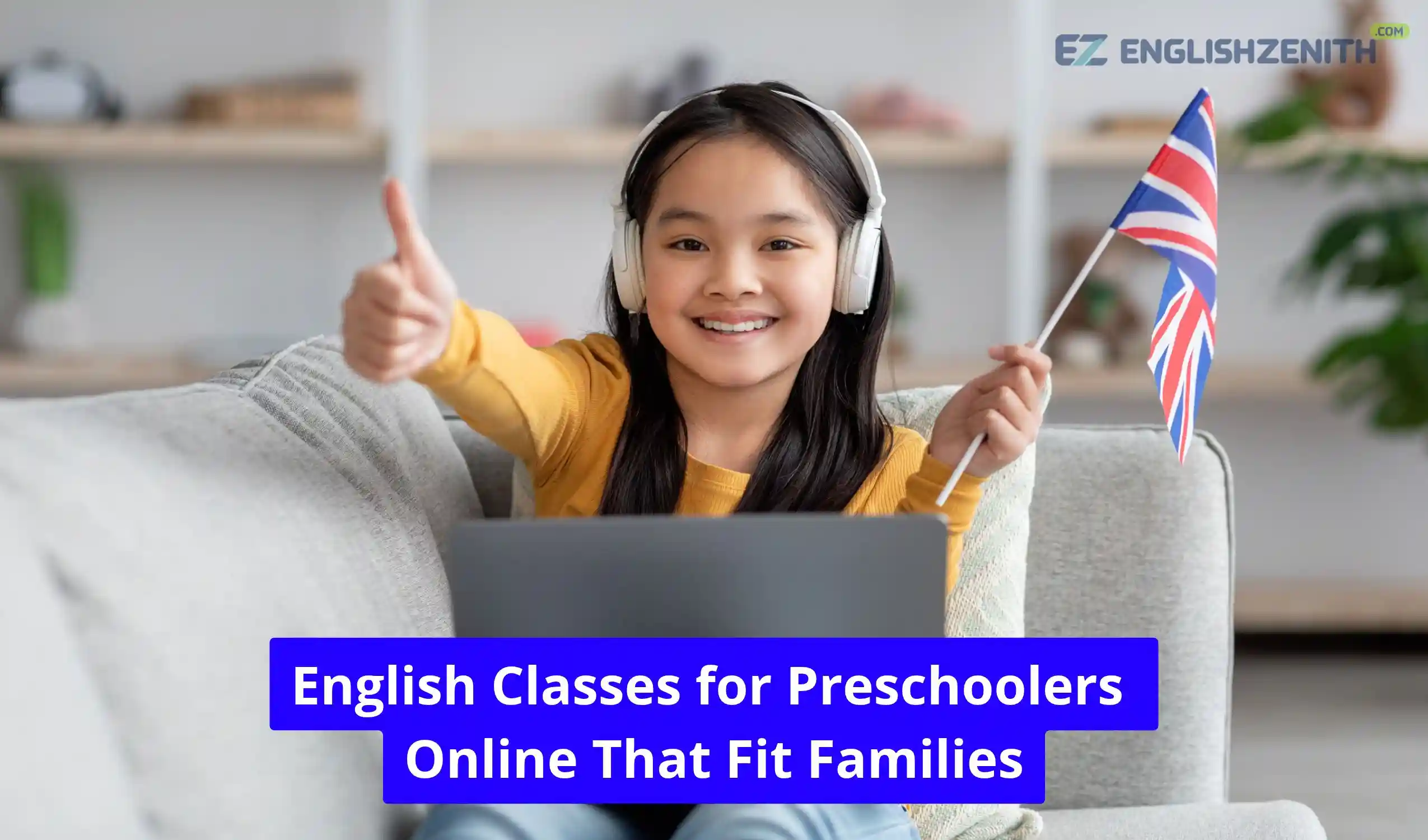
English classes for preschoolers online can support early language development when parents choose suitable teaching methods, class formats, and learning goals for their child.
What Parents Should Know About English Classes for Preschoolers Online
Choosing English classes for preschoolers online involves more than finding an attractive programme or a convenient schedule. Parents need to consider their child’s readiness, the teacher’s approach, the level of interaction, and how the classes fit into everyday family life.
Preschoolers have different interests, attention spans, and experiences with English. Some children enjoy speaking to new people, while others prefer listening and observing before they participate. Therefore, a suitable class should offer enough flexibility to accommodate these differences.
Online learning can introduce children to English through live interaction, visual materials, stories, songs, and guided activities. However, the quality of the experience depends on how well the teacher connects these elements with meaningful learning goals.
Parents can make a more informed decision by understanding what a suitable class should offer and which questions to ask before enrolling. This approach helps families choose a learning arrangement that supports their child’s needs rather than relying on promises or appearances alone.
How to Assess Whether Your Child Is Ready for Online English Classes
Children do not need to speak English before joining a beginner class. However, parents should consider whether their child can participate in a simple online interaction with appropriate support.
For example, a child may enjoy looking at pictures on a screen, listening to songs, or responding to familiar instructions. These interests can provide a useful starting point for an online learning experience.
A child who needs frequent movement may still participate successfully when the teacher includes short activities and allows changes in pace. Meanwhile, a child who feels uncomfortable with unfamiliar adults may need a gradual introduction to the teacher.
Readiness also depends on the learning environment. A quiet space, a reliable internet connection, and an adult nearby can make online participation easier, especially during the first few sessions.
Parents should avoid comparing their child with other preschoolers. Instead, observe how the child responds to short digital activities and consider what support might help them feel comfortable.
What Makes a Good Online English Class for Preschoolers
A suitable class combines clear learning objectives with teaching methods that match young children’s developmental needs. The teacher should have a reason for each activity and know how it contributes to the child’s understanding or communication.
For instance, a picture matching activity can help children recognise vocabulary, while a guided conversation can introduce simple expressions. Songs may reinforce familiar words, and storytelling can expose children to language in context.
The class should also allow interaction rather than relying entirely on prerecorded videos. Children need opportunities to respond, make choices, ask questions when ready, and connect new words with familiar experiences.
Parents should ask how the teacher adapts activities when a child becomes distracted or struggles to understand. A suitable programme offers structure without expecting every child to respond in exactly the same way.
Families interested in individual learning arrangements can explore personalised English lessons online to understand how a child’s interests and abilities can inform lesson planning.
Choosing the Right Online Class Format
Online English programmes can use different teaching formats. Understanding these options helps parents decide which arrangement suits their child, family routine, and learning priorities.
Live Classes With a Teacher
Live classes allow children to interact with a teacher in real time. Depending on the format, the teacher can ask questions, demonstrate activities, respond to the child’s answers, and adjust explanations when necessary.
This interaction can be useful when a child needs guidance beyond watching a video. For example, the teacher can repeat a word, show a picture, or simplify an instruction when the child appears unsure.
Before choosing a live class, ask how the teacher encourages participation. A programme should provide opportunities for children to respond rather than expecting them to remain silent while the teacher speaks.
Parents should also clarify whether the class takes place individually or with several children. Group size can influence how much direct attention each learner receives.
Individual Online Classes
Individual classes allow the teacher to focus on one child’s current abilities, interests, and responses. This format may suit families who want more personalised guidance or whose children benefit from a flexible pace.
A teacher can spend more time reviewing unfamiliar vocabulary, adapting an activity, or exploring a topic that interests the child. The teacher can also observe the child’s responses without dividing attention among several learners.
However, individual instruction still requires a thoughtful teaching approach. Parents should ask how the teacher sets goals, maintains engagement, and communicates progress.
To explore this format further, families can review one on one English lessons online and consider whether individual attention matches their expectations.
Recorded Learning Resources
Recorded videos, digital stories, and songs can complement a child’s English learning. Families can revisit familiar material and choose activities that fit their schedules.
However, recorded resources do not automatically provide personalised feedback or live interaction. Parents may need to help the child connect the material with objects, activities, and conversations in everyday life.
For this reason, consider recorded resources as one possible part of a broader learning routine. If your main priority involves interaction with a teacher, ask whether the programme includes live sessions or opportunities for individual feedback.
How to Evaluate an Online English Teacher
The teacher plays an important role in shaping the child’s learning experience. Parents should look beyond fluent English and consider the teacher’s ability to communicate clearly with young learners.
Ask About Experience With Preschoolers
Teaching preschoolers requires an approach that differs from teaching older students. Young children often need clear instructions, repetition, visual examples, and opportunities to participate through different activities.
Ask how the teacher adapts sessions for children who have little experience with English. A helpful answer should include practical examples of how the teacher introduces new words and checks understanding.
It is also worth asking how the teacher responds when a child becomes quiet or distracted. Their approach can reveal whether they understand the need for flexibility during early learning.
Review the Teacher’s Communication Style
A suitable teacher speaks clearly, gives children time to respond, and avoids overwhelming them with long explanations. The teacher should also recognise that children may demonstrate understanding through gestures or choices before they feel comfortable speaking.
Parents can ask how the teacher introduces unfamiliar vocabulary and encourages children to participate. Look for an approach that combines patience with clear learning objectives.
Communication with parents matters as well. A teacher should explain the child’s learning goals, share useful observations, and welcome reasonable questions about progress.
Families considering online instruction can also explore private English tutor online when comparing individual teaching arrangements.
Learning Goals That Suit Preschool English Classes
Before selecting a programme, consider what you want your child to gain from the experience. Clear and realistic goals make it easier to evaluate whether the class meets your family’s expectations.
Listening and Understanding
Listening helps children become familiar with English sounds, words, and everyday expressions. A teacher may use pictures, gestures, and demonstrations to help children understand simple instructions.
For example, the teacher might ask a child to find a picture of a cat or point to a blue object. These responses allow children to demonstrate understanding without needing to speak in complete sentences.
As familiarity develops, the teacher can introduce new expressions and slightly more detailed instructions. Parents should look for gradual progression rather than expecting a beginner to understand every phrase immediately.
Everyday Vocabulary
Vocabulary gives preschoolers a practical starting point for exploring English. Common themes include colours, animals, toys, food, family members, and familiar objects.
A good class introduces words in context rather than relying entirely on memorisation. A child might learn the word apple while looking at a picture, playing a matching game, or talking about familiar food.
The teacher can revisit the same vocabulary in different activities. This repetition helps children connect words with meaning while giving them more opportunities to recognise familiar expressions.
Early Communication
Preschoolers can begin developing communication skills through short words, simple expressions, and familiar exchanges. They do not need to speak fluently to benefit from guided interaction.
A teacher might model greetings, simple requests, or short descriptions. For example, the child may hear how to say hello, ask for a colour, or describe a favourite toy.
Parents should consider whether the programme gives children enough time to respond. A class that encourages gradual participation can support confidence while respecting each child’s current ability.
Creating a Suitable Learning Environment at Home
The home environment can influence how comfortably a child participates in online English classes. Parents do not need a dedicated classroom, but a few practical arrangements can make sessions easier to manage.
Choose a space where the child can see and hear the teacher clearly. Reduce unnecessary distractions where possible, and keep any materials the teacher recommends within reach.
The device should sit at a comfortable position so the child can view pictures and interact without straining. Parents should also check the internet connection and audio before the session begins.
An adult may need to remain nearby, particularly during the first few lessons. Depending on the child’s age and confidence, the parent can help with technical issues or provide reassurance when needed.
At the same time, allow the teacher to guide the interaction. Agree on the parent’s role beforehand so the child has room to respond independently while still receiving appropriate support.
How Long Should Online English Classes Last
The suitable session length depends on the child’s attention, the activity design, and their comfort with online interaction. Preschoolers can differ considerably, so parents should not assume that a longer class always provides better learning.
Ask the programme how it structures sessions and whether the teacher can adjust the pace. A class that includes several short activities may suit a young learner better than one that relies on extended explanations.
Observe your child’s response after the first few sessions. If the child remains engaged and enjoys participating, the format may be appropriate. If the child frequently becomes tired or restless, discuss possible adjustments with the teacher.
Consistency matters, but the schedule should remain realistic for your family. A manageable routine is easier to maintain than a demanding timetable that creates stress for parents and children.
How Parents Can Measure Progress
Progress in early English learning does not always appear as fluent speech. Children may first show greater understanding, recognise familiar vocabulary, follow simple instructions, or become more willing to participate.
Ask the teacher to explain what the child is learning and which skills they plan to develop next. Specific observations are more useful than general statements about whether a session went well.
For example, the teacher might explain that the child recognises familiar animal names but still needs visual support when following new instructions. This information gives parents a clearer understanding of current abilities.
Parents can also observe whether the child uses familiar words outside class. A child who names a colour while drawing or greets someone using English may be connecting classroom learning with everyday experiences.
Avoid comparing your child’s progress with another learner. Instead, consider changes over time and discuss realistic next steps with the teacher.
Common Mistakes When Selecting Online English Classes
One common mistake is choosing a programme based entirely on attractive advertisements. Visual presentation can help families understand a service, but it does not explain how the teacher supports children’s learning.
Another mistake is focusing only on the number of words a child learns. Vocabulary matters, yet listening, understanding, participation, and communication also contribute to early language development.
Parents should also avoid assuming that every preschooler enjoys online interaction. Some children engage readily with a screen, while others need more support or respond better to a different learning arrangement.
Finally, do not overlook communication with the teacher. Clear information about lesson goals, scheduling, materials, and progress helps families make informed decisions and manage expectations.
A careful selection process reduces the likelihood of choosing a class that looks suitable but does not match the child’s needs.
Frequently Asked Questions
Are English classes for preschoolers online suitable for beginners
Yes. Beginners can start with familiar vocabulary, simple instructions, songs, pictures, and short interactions. Parents should choose a class that matches the child’s current experience and offers suitable support.
What should parents look for in an online English class
Consider the teacher’s experience with young learners, the amount of interaction, the learning goals, the class format, and communication with parents. The programme should offer an age appropriate approach rather than relying entirely on screen based entertainment.
Should preschoolers take individual or group English classes
The right choice depends on the child’s preferences and learning needs. Individual classes provide focused attention, while group classes may offer opportunities to interact with other learners. Parents should ask how each format supports participation.
Can children learn English online without speaking immediately
Yes. Children can begin by listening, recognising pictures, following instructions, and responding through gestures. A suitable teacher gradually creates opportunities for speaking without requiring immediate verbal answers.
How can parents support online English learning at home
Parents can prepare a suitable learning space, help with technical setup, and revisit familiar expressions through everyday activities. They can also share observations with the teacher to help guide future learning goals.
How do I know whether an online English class suits my child
Observe whether the child can participate comfortably, engage with the activities, and respond to the teacher in an appropriate way. Discuss concerns with the teacher and review whether the format meets your child’s needs.
Choose English Classes That Fit Your Child’s Needs
Choosing English classes for preschoolers online starts with understanding your child’s readiness, interests, and learning priorities. A suitable programme combines thoughtful teaching, meaningful interaction, realistic goals, and clear communication with parents.
Rather than choosing a class based only on convenience or appearance, ask how the teacher supports young learners and how the programme tracks progress. These details can help you select an arrangement that fits your child’s needs and your family’s routine.
If you would like to explore English learning options for your child, contact English Zenith through the official website to discuss your goals and available programmes. A conversation can help you identify which learning format may suit your family.
Related Articles
Personalised English Lessons Online
One on One English Lessons Online