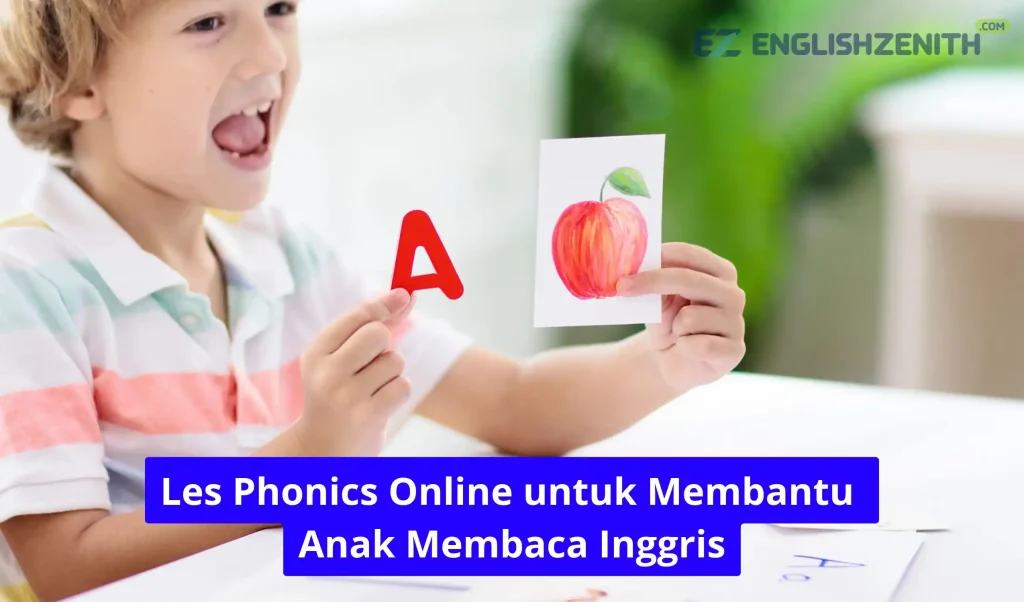
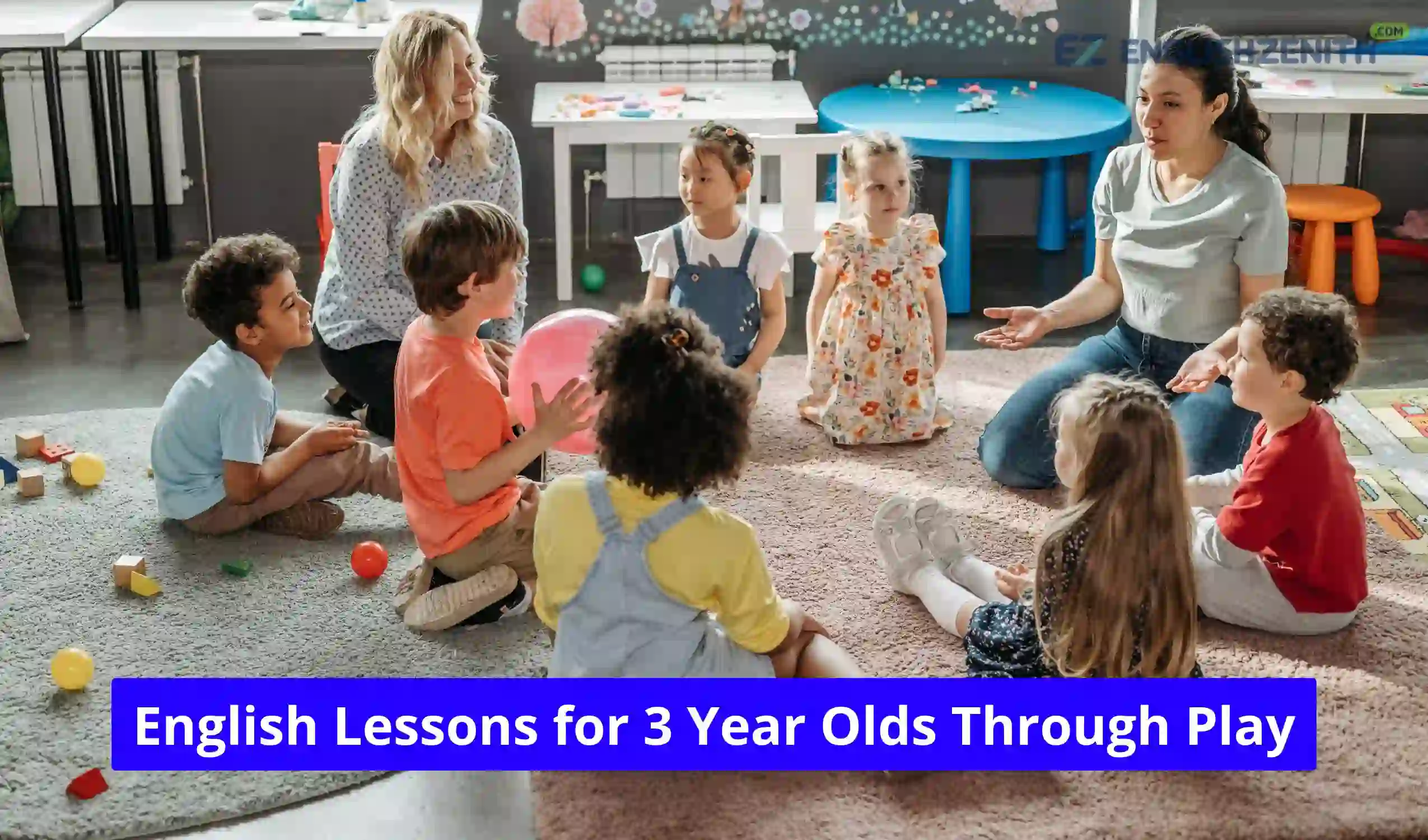
English lessons for 3 year olds introduce simple words, listening skills, and early communication through playful activities that make learning enjoyable.
English Lessons for 3 Year Olds and Early Language Development
At three years old, children discover new things through curiosity, movement, imagination, and everyday conversations.
English lessons for 3 year olds can build on these natural interests by introducing familiar words, simple expressions, songs, and playful interactions.
Rather than expecting children to memorise vocabulary or speak in complete sentences, parents can focus on helping them understand and enjoy the language.
At this age, children benefit from experiences that connect language with real objects and meaningful situations.
For example, a child may understand the word “apple” more easily when seeing the fruit, touching it, or hearing an adult name it during snack time.
As a result, practical activities often provide a more engaging starting point than formal exercises.
However, every child develops at a different pace. Some children enjoy repeating English words, while others prefer listening quietly before attempting to speak.
A supportive learning environment recognises these differences and gives children enough time to explore the language without unnecessary pressure.
Why Start English Lessons at Three Years Old
Three years old can be a suitable age to introduce English as an additional language, especially when lessons match the child’s interests and developmental needs.
At this stage, children often enjoy songs, picture books, pretend play, and short conversations with familiar adults.
These everyday experiences create natural opportunities to hear new words and connect them with meaning.
Early exposure also allows children to become familiar with English sounds and expressions. For instance, greetings such as “Hello,” “Good morning,” and “See you” can become meaningful through repeated use in familiar situations.
Gradually, children may begin recognising these expressions and responding with gestures, smiles, or words.
Nevertheless, starting early does not mean that parents should expect immediate fluency. The purpose of beginner English lessons is to establish familiarity, encourage curiosity, and support communication at a comfortable pace.
Consistent, enjoyable experiences matter more than rushing through a long list of learning objectives.
How Young Children Learn a Second Language
Young children often connect new language with what they can see, hear, touch, and do.
Therefore, a lesson about animals becomes more meaningful when a teacher shows pictures, imitates animal sounds, or invites the child to match a toy with its name.
Repetition also helps children recognise familiar words. When a teacher uses “big ball” during a game, then repeats “big” and “ball” in another activity, the child encounters the same vocabulary in different contexts.
Over time, these repeated experiences can support understanding and encourage independent use.
In addition, positive interaction can make children more willing to participate. When adults respond patiently to gestures, attempts at pronunciation, and incomplete expressions, children can explore English without feeling that every answer must be perfect.
What Should English Lessons for 3 Year Olds Teach
A suitable beginner programme introduces practical language that children can recognise and use in familiar situations.
Instead of covering too many topics at once, teachers can start with everyday vocabulary and gradually introduce short expressions as the child becomes comfortable.
Everyday English Vocabulary
Common objects provide a practical foundation for early English learning. Children can begin with words for toys, food, animals, clothing, family members, and objects around the home.
These topics work well because children encounter them regularly and can connect the words with familiar experiences.
For example, a teacher might introduce “cup,” “spoon,” and “plate” during a pretend meal. The child can point to each object, choose the correct item, or attempt to repeat its name.
Meanwhile, the teacher can model short phrases such as “blue cup” or “big spoon” to introduce simple combinations naturally.
Colours and numbers can also become part of everyday activities. Children might identify a red block, count two toy cars, or find three picture cards.
However, teachers should introduce manageable amounts of vocabulary rather than expecting children to remember everything in one session.
Listening and Understanding Simple Instructions
Listening deserves attention during the early stages of learning English. Children do not need to speak every new word immediately because understanding often develops through repeated exposure and meaningful interaction.
Teachers can use simple instructions such as “Come here,” “Show me the cat,” or “Put the ball down.”
At first, gestures and demonstrations help explain the meaning. Later, children may respond to familiar instructions with less visual support.
These activities also allow teachers to observe progress without turning a lesson into a test. A child who follows an instruction or selects the correct picture demonstrates understanding, even if they do not yet say the word aloud.
First English Words and Short Expressions
Once children recognise familiar vocabulary, teachers can introduce useful expressions. Examples include “I want water,” “My ball,” “More, please,” and “Thank you.”
These phrases connect English with communication that children may encounter during play or daily routines.
Teachers should model expressions naturally rather than requiring children to repeat every sentence. For example, when a child reaches for a toy, the teacher might say, “You want the car.” The child can respond by pointing, repeating “car,” or attempting a longer phrase when ready.
Over time, repeated interactions can help children recognise how words work together. The aim is to encourage meaningful communication rather than memorisation without understanding.
Fun English Activities for 3 Year Olds
Play provides an accessible way to introduce English while keeping children interested. The best activities use simple materials, clear language, and opportunities for interaction.
Parents and teachers can also adapt each activity according to the child’s energy, interests, and attention.
Learn English Through Songs and Movement
Songs combine rhythm, repetition, and familiar sounds, making them useful for introducing beginner vocabulary.
Simple songs about greetings, animals, body parts, or colours can give children opportunities to listen and participate without needing to understand every word.
Adding movement makes the experience more interactive. Children can clap, jump, point to their noses, or imitate animal actions while listening to English instructions.
For example, a teacher can say “Clap your hands” and demonstrate the movement before inviting the child to join.
Parents can repeat favourite songs at home, too. However, they should treat singing as an enjoyable shared activity rather than a pronunciation examination.
Listening, moving, and attempting one familiar word can all represent meaningful participation.
Use Picture Books and Storytelling
Picture books introduce vocabulary through illustrations, characters, and simple storylines. Stories about animals, family life, bedtime, and everyday routines can help three year olds connect English words with situations they already understand.
During reading time, adults can point to pictures and name familiar objects. Questions such as “Where is the dog?” or “What colour is the ball?” invite children to respond through pointing or speaking. If a child remains quiet, the adult can provide the answer and continue reading.
Furthermore, reading the same story more than once allows children to become familiar with recurring words and expressions.
Parents can pause at favourite pictures, imitate characters, or encourage the child to find an object elsewhere in the room. These small interactions help connect story language with everyday experiences.
Practise English With Toys and Pretend Play
Toys provide opportunities to introduce words through activities children already enjoy. A collection of toy animals, building blocks, or toy vehicles can become the starting point for a simple English game.
For example, an adult can place several toys on the floor and ask the child to find a dog, a car, or a blue block.
Once the child understands the activity, the adult can introduce short instructions such as “Give me the car” or “Put the bear here.”
Pretend play adds another dimension to these interactions. A toy kitchen can introduce food words, while a pretend shop can encourage expressions such as “Hello,” “Here you are,” and “Thank you.”
The adult can model each phrase naturally and allow the child to participate in whatever way feels comfortable.
Explore English Through Daily Routines
English does not need to remain limited to a scheduled lesson. Parents can introduce familiar expressions during breakfast, dressing, tidying toys, or preparing for bedtime.
For example, “Wash your hands,” “Put on your shoes,” and “Time for bed” connect language with actions that children recognise.
These expressions become easier to understand when adults use them consistently in the appropriate situations.
Parents can also describe simple activities as they happen. Saying “The water is warm” or “Here is your red shirt” exposes children to useful words without interrupting the routine.
Nevertheless, families should keep communication natural and avoid turning every moment into a teaching exercise.
How Long Should English Lessons for Three Year Olds Last
Three year olds often benefit from short, varied learning experiences rather than lengthy sessions filled with instructions.
A family might begin with five to ten minutes of focused English play and adjust the duration according to the child’s interest and response. This range serves as a practical starting point, not a universal rule for every child.
For example, a short session might include a greeting song, a picture matching game, and a brief story.
Each activity reinforces familiar vocabulary while offering a different way to participate. If the child becomes tired or distracted, the adult can finish the activity and return to English at another suitable time.
Consistency can also make learning easier to organise. A brief English activity several times a week may fit more comfortably into family life than occasional sessions that demand sustained attention.
The most appropriate schedule depends on the child’s needs, the family’s routine, and the teaching approach.
Choosing Online English Lessons for 3 Year Olds
Online English lessons can provide access to guided instruction without requiring families to travel to a learning centre.
However, parents should consider more than convenience when choosing an online programme for a three year old.
A suitable teacher understands how to adapt explanations, materials, and activities for young learners. Visual prompts, songs, simple games, and frequent interaction can help maintain engagement.
The teacher should also respond flexibly when a child needs additional time or prefers to observe before participating.
What to Look for in an English Teacher
A teacher working with very young learners should communicate clearly, show patience, and understand age appropriate teaching methods.
Parents can ask how the teacher introduces new vocabulary, encourages participation, and adjusts activities when a child loses interest.
It is also useful to discuss lesson structure before enrolling. A teacher might explain how they combine listening, movement, picture recognition, and simple speaking activities.
Clear explanations help parents understand the learning process and decide whether the approach fits their child’s needs.
Parents should also ask how the teacher communicates progress. Rather than relying on promises of rapid fluency, families can look for practical observations about vocabulary recognition, listening comprehension, participation, and growing familiarity with English expressions.
Helping Your Child Participate in Online Lessons
The home environment can influence how comfortably a child joins an online lesson. Parents can prepare a quiet space, check the internet connection, and keep a few familiar toys or picture books nearby when the teacher recommends them.
At the beginning, some children may need a parent to sit close by and provide reassurance. Others may join activities independently after becoming familiar with the teacher and lesson routine. Both responses can be reasonable starting points.
Parents should also maintain a balanced approach to screen use. Online instruction can complement songs, physical play, outdoor activities, and face to face conversations.
For a three year old, technology works best as part of a broader learning experience rather than a replacement for everyday interaction.
How Parents Can Measure Early English Progress
Progress at this age does not always appear as spoken sentences. A child may first recognise familiar words, follow simple instructions, identify pictures, or respond to a greeting.
These behaviours can provide useful indications that the child is becoming familiar with English.
Parents can observe small changes over several weeks. Perhaps a child begins pointing to the correct animal when hearing its English name, recognises a favourite song, or spontaneously says “hello” during play.
Such examples offer more useful information than comparing the child with another learner.
It is also important to recognise that progress can vary. Previous exposure to English, individual interests, comfort with the teacher, and opportunities for practice can influence how children participate.
Therefore, parents should discuss observations with the teacher and adjust learning goals when necessary.
Common Mistakes to Avoid When Teaching English at Three
One common mistake is expecting children to speak immediately after learning new words. Children need opportunities to listen, observe, and connect language with meaning.
Giving them time to respond can support participation without creating unnecessary pressure.
Another mistake is introducing too much vocabulary in one session. A long list of words may overwhelm a young learner, especially when the activities lack clear connections.
Instead, adults can focus on a few useful words and revisit them through songs, toys, stories, and daily routines.
Parents should also avoid correcting every pronunciation attempt. When a child says a word imperfectly, an adult can repeat the correct form naturally without interrupting the conversation.
For instance, if a child says “tar” while pointing to a car, the adult can respond, “Yes, a car!” This approach provides a clear example while keeping the interaction positive.
Finally, avoid treating English as a competition or a measure of intelligence. Each child brings different experiences and abilities to the learning process.
A relaxed environment, realistic expectations, and meaningful interaction offer a more appropriate foundation for early language development.
Frequently Asked Questions About English Lessons for 3 Year Olds
Can a three year old start learning English?
Yes. A three year old can begin exploring English through songs, stories, play, and everyday conversations.
The activities should suit the child’s developmental stage and focus on enjoyable exposure rather than formal academic performance.
What is the best way to teach English to a three year old?
Start with familiar objects, simple expressions, and activities the child enjoys. Use pictures, toys, movement, and repetition to connect words with meaning.
In addition, allow the child to respond through gestures or single words before expecting longer expressions.
How many English words should a three year old learn?
There is no single vocabulary target that suits every child. A more practical approach introduces a small group of useful words and revisits them in different situations.
Parents and teachers can gradually expand the vocabulary as the child demonstrates understanding and interest.
Are online English lessons suitable for three year olds?
Online lessons may suit some children when teachers use interactive, age appropriate activities and parents provide suitable support.
Families should consider the child’s comfort with video calls, the teacher’s experience, and the balance between screen based learning and everyday play.
Should parents speak English at home if they are not fluent?
Parents do not need to speak perfect English to support early exposure. They can use simple expressions, sing familiar songs, share picture books, and practise words introduced during lessons. When questions arise, families can consult reliable learning resources or the child’s teacher.
How can parents tell whether English lessons are helping?
Look for gradual changes in understanding, vocabulary recognition, willingness to participate, and spontaneous use of familiar expressions.
A child may demonstrate progress by following an instruction or identifying a picture before speaking more confidently. Discuss these observations with the teacher to keep expectations realistic.
Give Your Child a Positive Start With English
English lessons for 3 year olds work best when children can explore the language through enjoyable activities, familiar experiences, and supportive interactions.
With simple vocabulary, engaging stories, playful routines, and realistic expectations, parents can help children build familiarity with English at their own pace.
Every child has different interests and learning needs. Therefore, choosing a suitable teaching approach matters more than rushing towards advanced language skills.
A thoughtful programme can introduce useful expressions while helping children feel comfortable participating in English activities.
If you would like to explore guided English learning for your child, visit English Zenith to discover available learning options.
You can discuss your child’s age, interests, and starting level to help identify an approach that suits your family’s needs.
Related Articles
English Tutor Online Indonesia